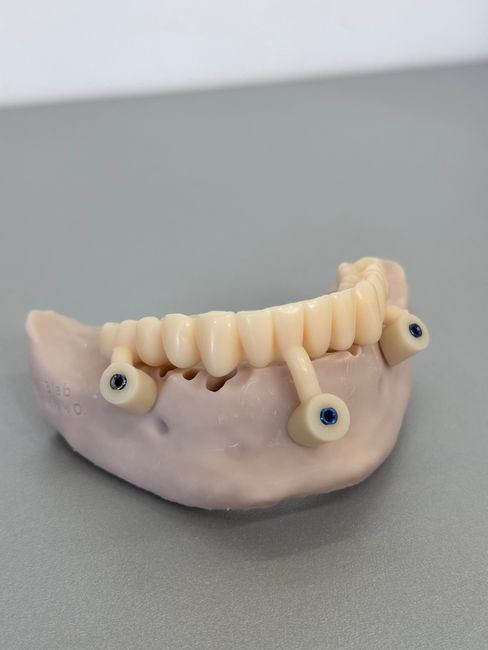
implant post op instructions
Post-Operative Care Overview
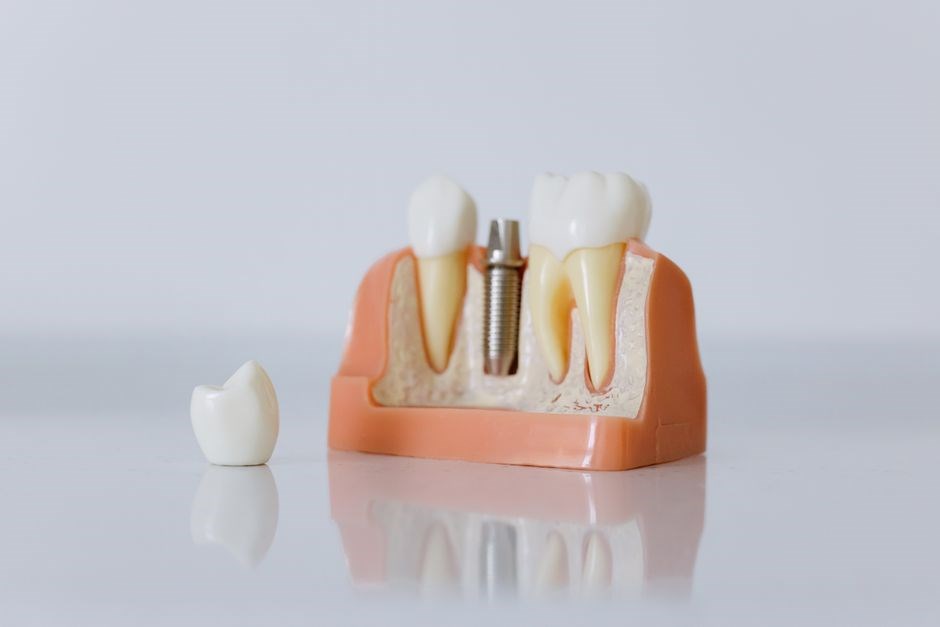
After implant surgery, keep the area clean, rest, and follow your surgeon’s instructions. Use antibiotics, apply ice packs. Monitor for swelling, pain, and bleeding. Maintain oral hygiene with gentle rinses and foods. Follow up appointments as scheduled. stay hydrated. keep hydrated.?! OK!!?
Immediate Post-Operative Care
After your implant procedure, focus on rest and protection of the surgical site. Keep the head elevated with pillows to reduce swelling, and apply a cold compress to the outside of the face for 15–20 minutes every hour during the first 24 hours. Take prescribed antibiotics exactly as directed, completing the full course even if you feel better. Avoid rinsing or spitting vigorously for the first 48 hours; instead, gently rinse with a saline solution after meals. Do not touch or manipulate the implant area with fingers or instruments. Maintain a soft diet, consuming cool or room‑temperature foods, and avoid chewing on the side of the surgery. Monitor the incision for signs of excessive bleeding or drainage; if bleeding persists or a large hematoma forms, contact your surgeon immediately. Keep the mouth clean by brushing gently around the implant site, using a soft‑bristle brush. Refrain from smoking or using alcohol for at least 48 hours to promote healing. Schedule your first follow‑up visit within 7–10 days to assess healing progress. By adhering to these steps, you support optimal implant integration and reduce the risk of complications. Rest is essential; sleep with the head elevated on two pillows for the first 48 hours to limit swelling. Do not use a straw, as suction can disturb the graft. Keep the mouth closed during meals, and rinse gently with warm salt water (½ teaspoon salt in 8 ounces water) after eating. If you notice any sudden increase in pain, numbness, or a foul odor, contact your surgeon promptly. Use a soft toothbrush; avoid scrubbing.!!
Pain Management Strategies
Effective pain control after implant surgery relies on a combination of medication, physical measures, and mindful habits. First, take prescribed non‑steroidal anti‑inflammatory drugs (NSAIDs) exactly as directed; they reduce inflammation and dull discomfort. If you are sensitive to NSAIDs, your surgeon may prescribe acetaminophen or a low‑dose opioid for the first 24–48 hours. Always follow the dosage schedule and avoid exceeding the maximum daily limit. Second, apply a cold compress to the outside of the face for 15–20 minutes every hour during the first 24 hours; this helps shrink swelling and numbs the area. After the initial 24 hours, switch to a warm compress to promote circulation and comfort. Third, maintain a soft diet and avoid chewing on the surgical side; use cool, non‑spicy foods to prevent irritation. Fourth, keep the mouth clean by gently rinsing with a mild saline solution after meals; this reduces bacterial buildup and eases pain. Finally, rest with your head elevated on two pillows, and avoid strenuous activity for at least 48 hours. If pain escalates or you experience numbness, tingling, or a burning sensation, contact your surgeon promptly. By adhering to these strategies, you can manage discomfort effectively while supporting the healing process. Keep the surgical area moist with mouthwash, avoid hot liquids for 48 hours, and stay hydrated. If you notice fever above 100.4°F, swelling beyond 72 hours, or pain that does not improve with medication, contact your surgeon immediately. Keep your head and elevated reduce swelling!
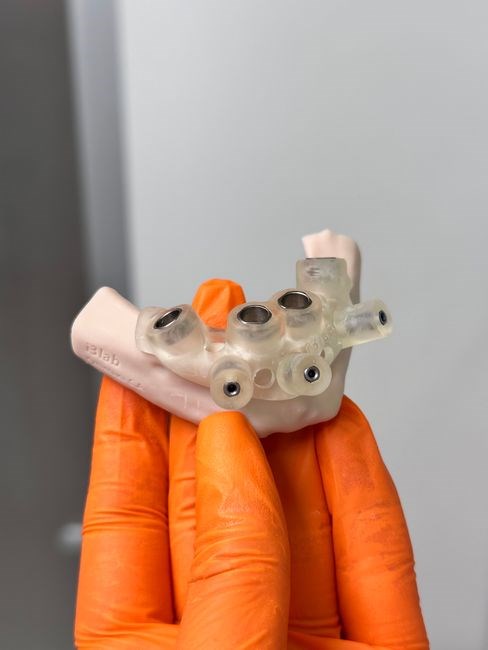
Oral Hygiene Protocols
After implant placement, maintaining meticulous oral hygiene is critical to prevent infection and ensure successful integration. Begin by gently rinsing the mouth with a mild saline solution (½ cup warm water mixed with ¼ teaspoon salt) 15–30 minutes after meals, avoiding vigorous swishing that could dislodge the healing flap. Use a soft‑bristle toothbrush to clean adjacent teeth, but steer clear of the surgical site for the first 48 hours. From day three onward, resume gentle brushing of the implant area with a fluoride toothpaste, applying light pressure to avoid trauma. Incorporate an antimicrobial mouthwash, such as chlorhexidine gluconate 0.12%, twice daily for the first week, then taper to a non‑alcoholic rinse. If your surgeon recommends, use a specialized interdental brush or floss threader to clean between the implant and surrounding teeth, but only after the initial healing period and with gentle technique. Keep the mouth hydrated by sipping water frequently, and avoid smoking or using alcohol‑based products that can irritate the tissue. Schedule a professional cleaning within 4–6 weeks post‑surgery, and follow up with your dentist to monitor the implant site. Consistent, gentle oral care reduces the risk of peri‑implantitis and promotes optimal bone remodeling. Use a 0.12% chlorhexidine rinse after meals and before sleep, avoiding alcohol‑based mouthwashes for two weeks to protect healing and reduce graft failure risk. And care daily!!
Dietary Recommendations
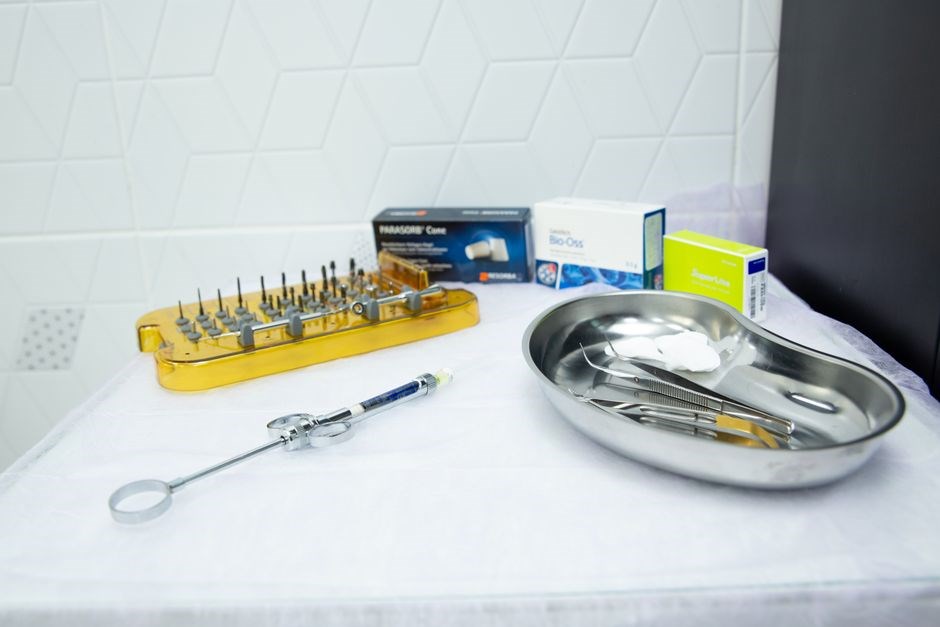
Immediately after implant surgery, opt for a liquid or pureed diet to minimize mechanical stress on the healing site. Within the first 24–48 hours, consume warm broths, smoothies, yogurt, and mashed potatoes, ensuring temperatures are comfortable to avoid thermal shock. Avoid hot beverages, spicy or acidic foods, and anything that may irritate the surgical area. From day two onward, gradually reintroduce soft solids such as scrambled eggs, oatmeal, and well‑cooked pasta, chewing on the contralateral side to protect the implant. Refrain from hard, crunchy, or sticky foods—nuts, chips, caramel, or chewy candies—for at least two weeks, as they can dislodge sutures or compromise osseointegration. Maintain adequate hydration by sipping water, herbal teas, or electrolyte drinks, but avoid using a straw for the first week to prevent suction forces that might disturb the graft. Limit alcohol consumption for 48–72 hours post‑op, as it can impair healing and interfere with medication absorption. Incorporate nutrient‑dense foods—lean proteins, leafy greens, and vitamin C‑rich fruits—to support collagen formation and immune function. Follow your surgeon’s specific instructions regarding timing for solid foods, and consult a dietitian if you have dietary restrictions or need meal planning assistance. Consistent, gentle nutrition promotes optimal bone remodeling and reduces postoperative complications. Keep the diet balanced, avoid sugary snacks, and maintain oral hygiene to complement dietary care. Remember to avoid chewing on the side of the implant for the first 48 hours. Additionally, schedule a follow‑up appointment to assess healing and adjust dietary recommendations as needed. Stay hydrated, eat soft, and follow professional guidance for best outcomes.
Activity and Mobility Guidelines
Immediately after implant placement, limit physical exertion to preserve the surgical site. For the first 24–48 hours, avoid heavy lifting, strenuous exercise, or any activity that increases blood pressure or heart rate. Gentle walking is acceptable, but refrain from jogging, running, or high‑impact sports. Maintain a neutral head position and avoid excessive neck flexion or extension during the initial healing phase. Use a supportive pillow to keep the head elevated while sleeping to reduce swelling. After 48–72 hours, gradually reintroduce light activities such as walking or light household chores, ensuring you do not strain the jaw or apply pressure to the implant area. If you experience pain, swelling or discomfort during movement, pause activity and apply a cold compress. Continue to monitor for any signs of instability or discomfort, and report them to your surgeon promptly. Follow the prescribed timeline for returning to normal activities, and always adhere to the specific instructions given by your oral surgeon regarding exercise restrictions and safe movement patterns. This approach helps prevent complications such as implant displacement, infection, or delayed bone integration. Stay mindful of your body’s signals and adjust activity levels accordingly to support optimal recovery. Keep the surgical area elevated when lying down, use a firm pillow, and avoid sleeping on the implant side for at least one week of rest daily!
Monitoring for Complications
Observe swelling, redness, or fever. Mild pain is normal, but sharp pain signals infection. Monitor drainage and note; clear fluid acceptable, but pus or foul odor is red flag. Check for bleeding, swelling, or jaw stiffness. Report any concerns promptly.
Common Signs of Infection
After implant placement, watch for infection indicators. Redness that spreads beyond the surgical site, increasing warmth, and swelling that worsens over 48 hours suggest inflammation. Persistent or escalating pain, especially throbbing or sharp, may signal infection. Discharge that is cloudy, yellow, or green, or has a foul odor, indicates bacterial presence. Fever over 100.4°F (38°C) or chills, especially if accompanied by malaise, are systemic signs. Difficulty opening the mouth or persistent trismus can reflect peri‑implant inflammation. Notice any new drainage or bleeding that does not resolve within 24–48 hours. If you observe any of these symptoms, contact your surgeon promptly for evaluation and possible antibiotics. Patients should also watch for systemic symptoms such as fatigue, headache, or a general feeling of illness. An elevated white blood cell count, if checked by a clinician, may confirm infection. Swelling that does not subside after 48–72 hours or that spreads to surrounding tissues is concerning. Persistent bleeding or the appearance of a dark, purplish discoloration around the implant site can indicate a hematoma or infection. If the pain worsens despite prescribed analgesics, or if the implant area becomes hot to the touch, seek medical attention. Intervention prevents complications, preserves implant integrityquickly ! Additionally, any sudden increase in pain or swelling, or the emergence of a foul odor should prompt medical review today.
After implant surgery, minor bleeding is normal, but persistent or heavy bleeding requires attention. Notice if blood drips from the surgical site for more than 30 minutes despite gentle pressure, or if the blood is bright red and continues to flow. A sudden, rapid accumulation of blood in the socket, forming a firm, dark‑colored mass (hematoma), can impede healing and cause pain. Symptoms of a hematoma include swelling that increases over several hours, a hard, tender area that feels like a lump, and a feeling of pressure or fullness in the jaw. If the swelling spreads beyond the immediate surgical zone or if you develop a headache, dizziness, or fainting, these are warning signs of significant blood loss. Persistent bleeding that does not stop after applying gauze for 15–20 minutes or that requires frequent replacement of gauze is also concerning. In addition, if you notice a sudden change in the color of the surgical site from pink to a darker hue, or that the area becomes noticeably bruised or mottled, this may indicate a developing hematoma. Patients should also monitor for signs of infection that can accompany bleeding, such as foul odor, pus, or increased pain. If any of these symptoms occur, contact your surgeon immediately. Prompt evaluation and management—such as applying additional pressure, using a cold compress, or in some cases, a minor surgical revision—can prevent complications and ensure successful implant integration. Applying a cold compress for relief
Swelling and Trismus Management
Swelling after implant surgery typically peaks within 48 to 72 hours and then gradually subsides. The first 24 hours are critical for controlling edema; applying a cold compress to the outside of the face for 15 to 20 minutes at a time, repeated every hour, helps reduce swelling. After the initial 48 hours, switch to a warm compress to promote circulation and comfort. Keep the head elevated with pillows when lying down to aid venous drainage. Gentle jaw exercises—opening the mouth slowly to about 30 degrees, holding for five seconds, and repeating ten times—can prevent trismus and improve range of motion. Perform these movements only when pain is mild and swelling is not severe. If trismus persists beyond 48 hours or pain worsens, contact the surgeon promptly. Use prescribed anti‑inflammatory medication as directed; over‑the‑counter NSAIDs should not be taken without approval. Maintain oral hygiene with a soft‑bristle brush and avoid vigorous rinsing for the first 24 hours. A salt‑water rinse (½ teaspoon salt in eight ounces warm water) can be used gently after 24 hours to keep the area clean. Monitor for signs of infection—redness, purulent drainage, or fever—and report them immediately. Consistent adherence to these measures facilitates healing and reduces the risk of prolonged swelling or restricted mouth opening. Patients should avoid hard or chewy foods for at least 48 hours, and refrain from smoking or alcohol, as these can impede healing and increase complication.
When to Seek Emergency Care
Although most implant patients recover without major issues, certain symptoms warrant immediate medical attention. If you experience sudden, severe pain that does not improve with prescribed analgesics, or if the pain radiates to the ear, jaw joint, or neck, contact your surgeon right away. A sudden increase in swelling, especially if it extends beyond the surgical site or causes difficulty breathing, may indicate an expanding hematoma; seek emergency care immediately. Fever above 100.4°F (38°C) accompanied by chills, nausea, vomiting, or a purulent discharge from the incision site suggests infection; urgent evaluation is essential to prevent spread. Persistent bleeding that cannot be controlled with gentle pressure or that continues for more than 30 minutes requires prompt intervention. Difficulty opening the mouth (trismus) that limits eating or speaking, or a sensation of a foreign body in the throat, could signal nerve or vascular complications. Any signs of altered consciousness, severe dizziness, or sudden vision changes should be treated as medical emergencies. If you notice a sudden change in speech, facial weakness, or numbness on one side of the face, call emergency services immediately. Finally, if you have any doubts or feel uneasy about your recovery, do not hesitate to contact your oral surgeon or the emergency department for reassurance and care. Additionally keep a diary of your daily symptoms and report any new or worsening issues promptly daily

Follow-Up and Long-Term Care
Schedule a check‑in within 2 weeks, then yearly. Clean the implant area twice daily with a soft brush. Avoid hard foods for 6 months, use a mouth rinse, and maintain regular dental visits. Report any pain, swelling, or mobility changes promptly.Stay dry
Scheduling Follow-Up Visits
After the initial healing period, your implant surgeon will outline a personalized follow‑up schedule. Typically, the first visit occurs 2–4 weeks post‑surgery to assess bone integration, check for infection, and remove any sutures if necessary. During this appointment, the clinician will perform a gentle probe of the implant site, take a panoramic or CBCT scan, and evaluate the stability of the prosthetic component. If the implant shows adequate osseointegration, the next milestone is usually a 3‑month visit, where the dentist will verify the absence of peri‑implant inflammation, confirm the implant’s primary stability, and plan the final restoration placement. Subsequent visits are spaced at 6‑month intervals to monitor bone levels, assess soft‑tissue health, and ensure the prosthesis remains functional and comfortable. In cases where the implant has experienced delayed healing or complications such as peri‑implantitis, the schedule may be adjusted to more frequent evaluations—often every 4–6 weeks—until the condition improves. It is essential to keep all appointments, as early detection of issues can prevent costly revisions. If you miss a scheduled visit, contact the office immediately to reschedule, as gaps in monitoring can compromise implant success. Many practices offer tele‑consult options for check‑ins, allowing patients to discuss concerns, review X‑ray images, and receive guidance on oral hygiene without an inperson visit; Always confirm the exact dates, times, and any required previsit preps (e.g. fasting meds adjustments) with staff. By adhering to the prescribed follow‑up plan, you help ensure the longevity and health of your implant, maintaining optimal function and aesthetics for years to come.
Long-Term Implant Maintenance Tips
Maintaining a dental implant over the long term requires a disciplined routine that extends beyond basic brushing. First, use a soft‑bristle brush and an antimicrobial mouthwash daily to reduce bacterial plaque buildup around the implant neck. Second, schedule professional cleanings every six months; the dentist will remove tartar that can accumulate on the implant surface and assess peri‑implant tissue health. Third, avoid hard or sticky foods that might dislodge the restoration or damage the surrounding bone. Fourth, monitor for any changes in the implant site—sensitivity, swelling, or unusual pain—and report them promptly. Fifth, consider a daily interdental brush or floss threader to clean the spaces between the implant and adjacent teeth, ensuring complete plaque removal. Sixth, maintain a balanced diet rich in calcium and vitamin D to support bone density, and limit sugary snacks that can foster bacterial growth. Seventh, if you smoke, quit; tobacco use is linked to implant failure due to impaired healing and reduced blood flow. Eighth, keep your weight and systemic health in check—conditions such as diabetes can compromise osseointegration and healing. Finally, adhere to the follow‑up schedule set by your oral surgeon; early detection of peri‑implantitis can prevent costly revisions and preserve the longevity of your implant. Remember, regular dental check‑ups and a good lifestyle are the cornerstones of long implant success!